

Leadership is a safety champion tool you can show even if you’re not directly managing others. It can be thought of as a collection of various other skills, such as:
- A positive attitude and outlook
- The ability and willingness to communicate effectively
- An aptitude for both self-motivation and motivating others
- Mentoring others
- Setting the right example for others
“Leadership is not a position. It is a behaviour.”
Aircraft maintenance is a vital aspect of aviation, with failures in aircraft maintenance linked to one third of aircraft malfunctions.
Based on research, although from an older date, interesting findings were found in the relationship between maintenance and leadership (see link for full article below).
The research identified team-based non-technical skills as:
- Situation awareness
- Decision making
- Leadership
- Teamwork
- Communication
- Task management
Lone worker non-technical skills were identified as:
- Situation awareness
- Decision making
- Task management
https://research.abdn.ac.uk/applied-psych-hf/aircraft-maintenance/
Irwin, A. et al. (2016) ‘Investigating Non-Technical Skills in Scottish and English Aircraft Maintenance Teams Using a Mixed Methodology of Interviews and a Questionnaire’, The International Journal of Aviation Psychology, 26(3–4), pp. 105–119. doi: 10.1080/10508414.2017.1319734.
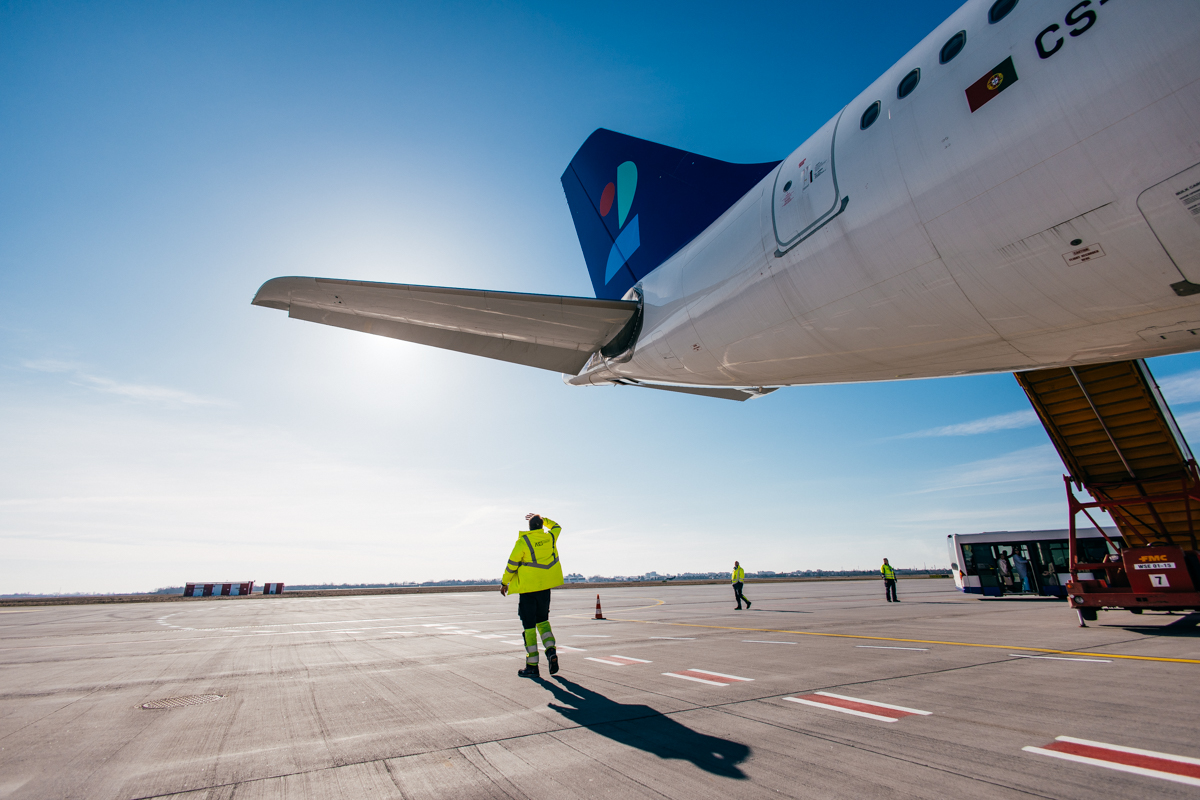
What is the power of leadership in aviation maintenance?
Safety in aviation maintenance extends far beyond regulatory compliance and procedural checklists. At its core, aviation safety is driven by leadership.
Understanding leadership
Leadership is widely defined as the ability to influence, motivate and enable individuals and groups to achieve shared goals (Northouse, 2018).
In the context of aviation, this means guiding teams through high-risk, high-pressure environments while maintaining focus on the ultimate objectives: safety and operational excellence.
Unlike management — which emphasizes structure, control and compliance — leadership shapes mindset, culture and initiative. This distinction becomes vital in safety-critical settings like maintenance or flight operations, where rules are essential, but judgment, communication and moral courage are just as crucial.
In essence, management ensures things are done right; leadership ensures the right things are done — especially where safety and performance are concerned.
In aviation, when teams underperform or errors occur, the root cause often lies not with individuals but with weak leadership structures or lack of cultural reinforcement.
This resonates with the human factors approach — where psychological safety, open communication and emotional resilience are essential for avoiding incidents and boosting team output.
In aviation leadership is often informal but profoundly influential. Supervisors, licensed engineers/certifying staff set the tone for safety through daily interactions and decision-making under pressure.
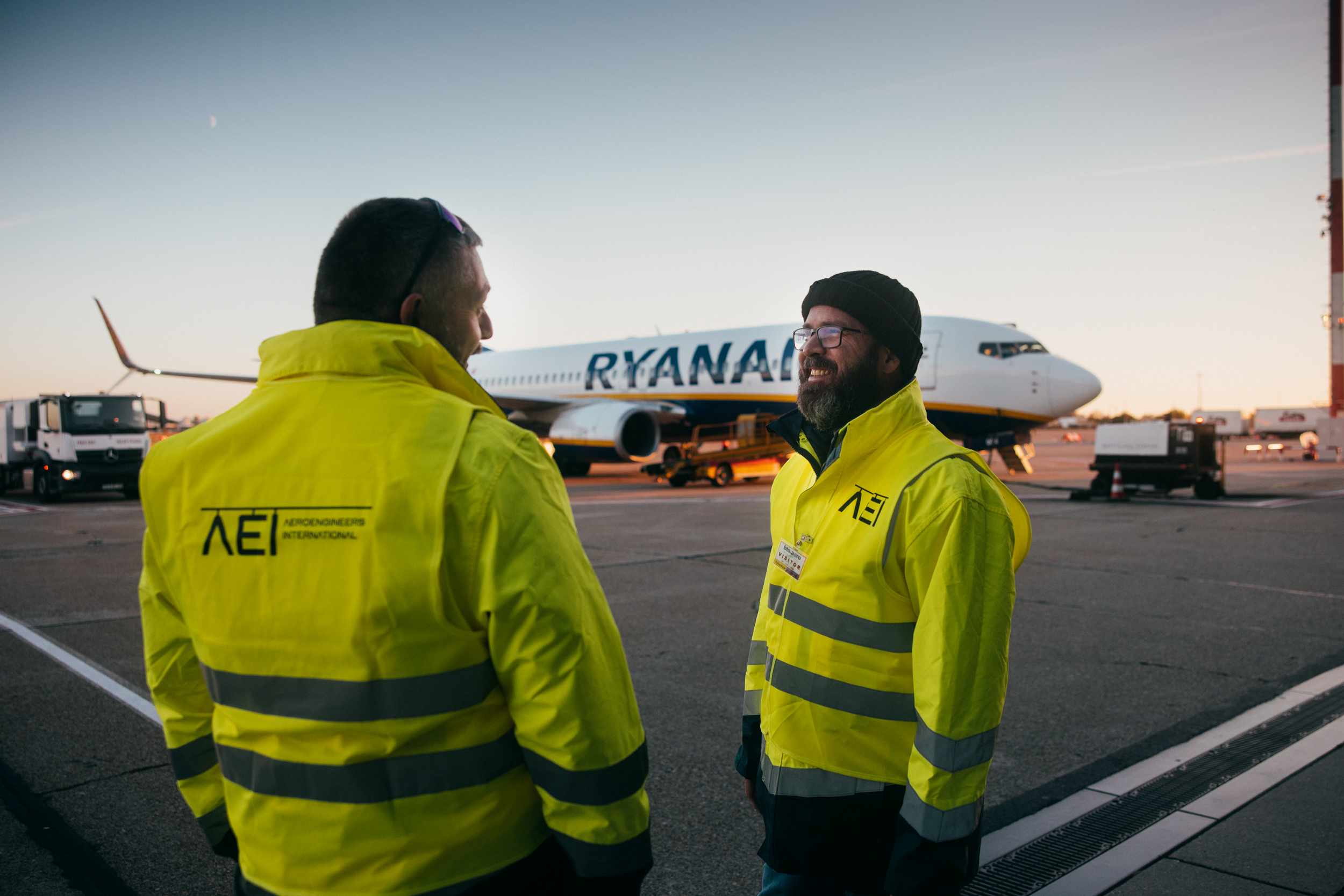
Key ways to achieve good leadership include
- Maintenance/Crew Resource Management (MRM/CRM)
- Realistic Workload Management — understanding human limitations of the teams
- Operational Coordination
- Role Modelling — respected leaders send a powerful cultural signal, more impactful than memos or posters.
Four pillars of Safety and Performance Leadership
- Engagement
- Communication
- Recognition
- Continuous Learning
You can find more about leadership in the article (link below), where you will find examples of disasters where leadership, or the lack thereof, directly impact safety and operational outcomes.
More about Leadership you can find in these sources:
https://rastechnic.aero/leadership-aviation-safety-performance/
Necula, F. (2025) The Power of Leadership in Aviation: Elevating Safety and Performance from the Top Down.
“A leader is someone who helps others to become the best version of themselves, sometimes despite themselves.” “Leadership is not about being in charge. It is about taking care of those in your charge.”
Simon Sinek.